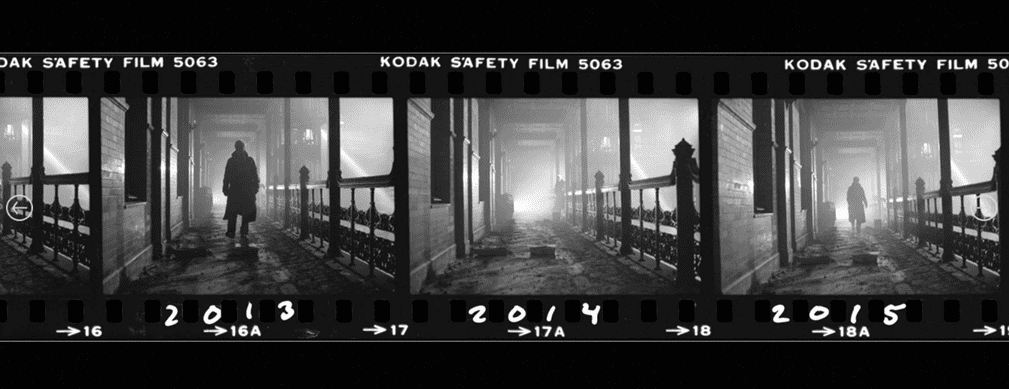

The Bradbury Building is one of Los Angeles’s most famous landmarks. It’s a true piece of history that unites movie buffs, photographers, architects, tourists, and locals alike. Guidebooks always recommend a visit, and for good reason! For more on its history and unique architecture, check out la-future.com, your guide to everything LA.
A Hidden Gem in the Heart of LA
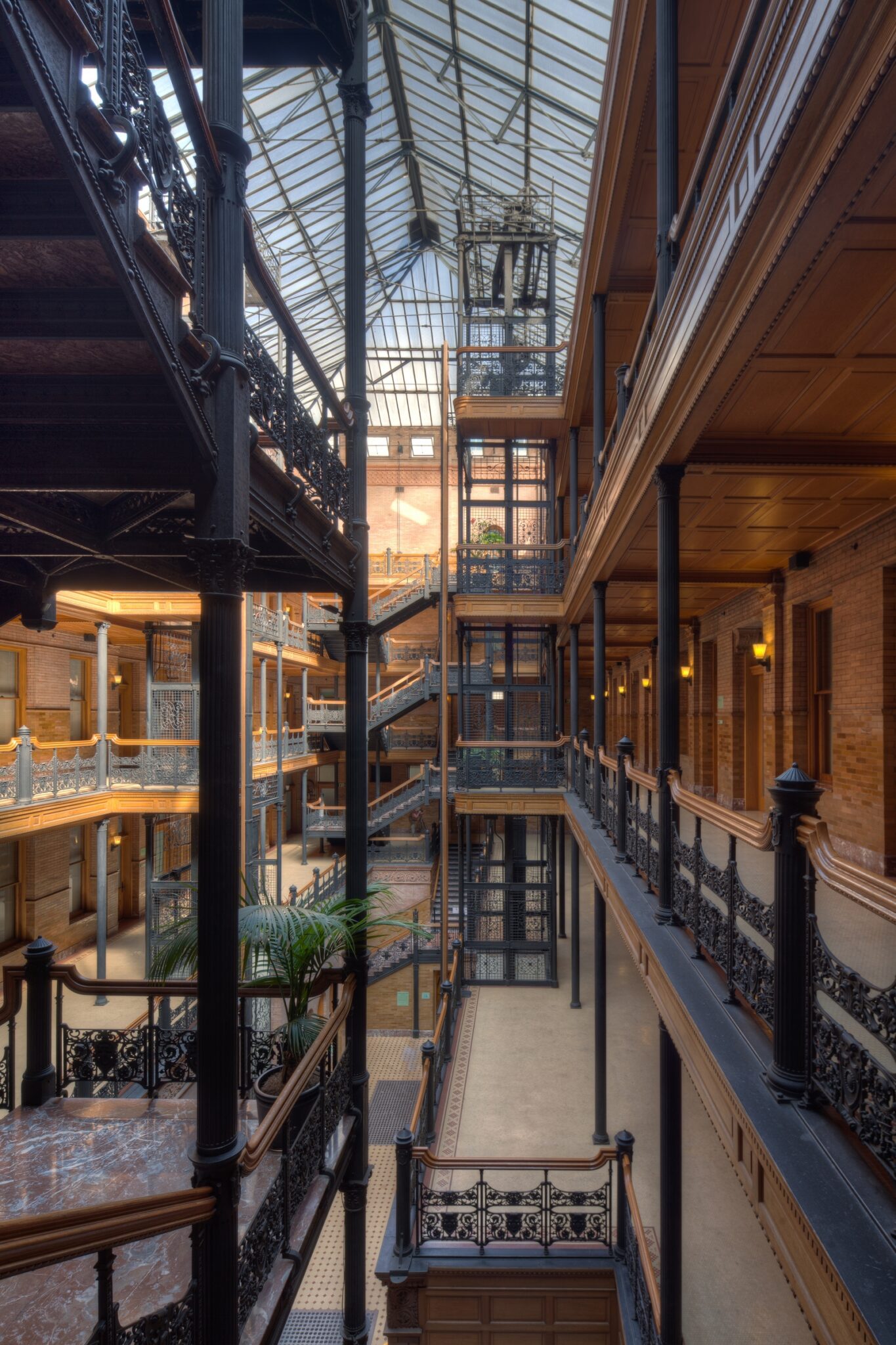
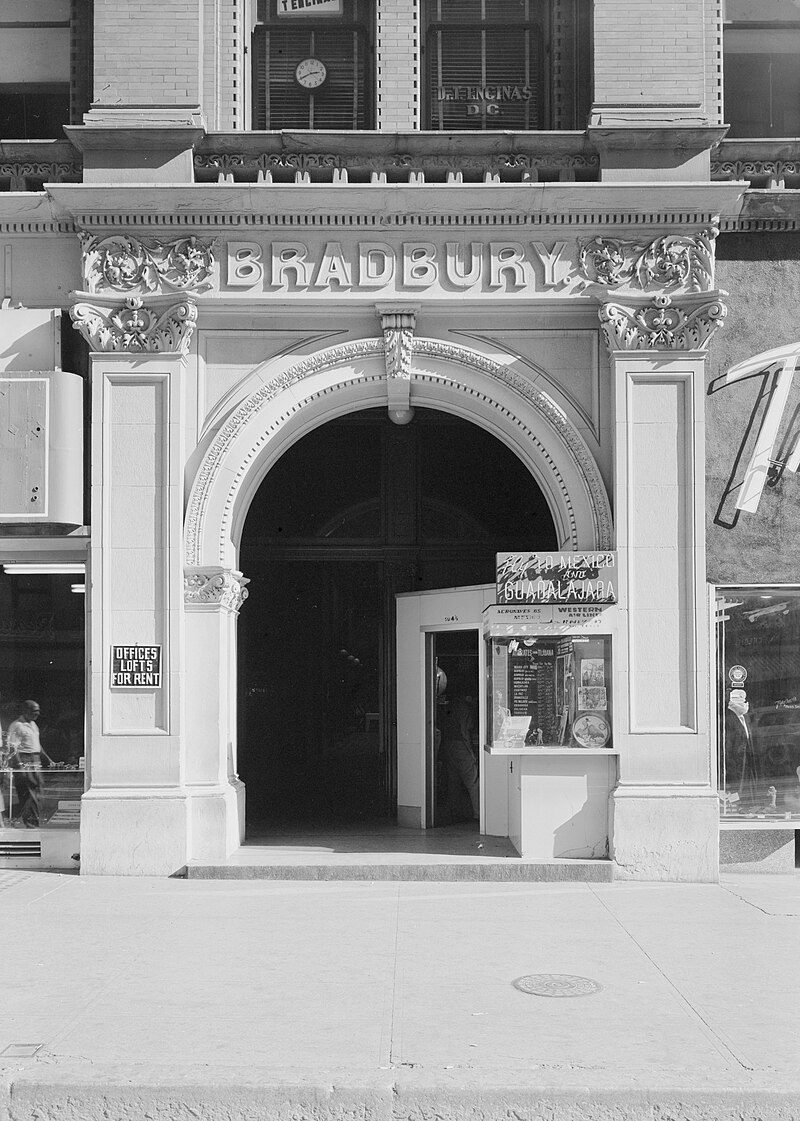
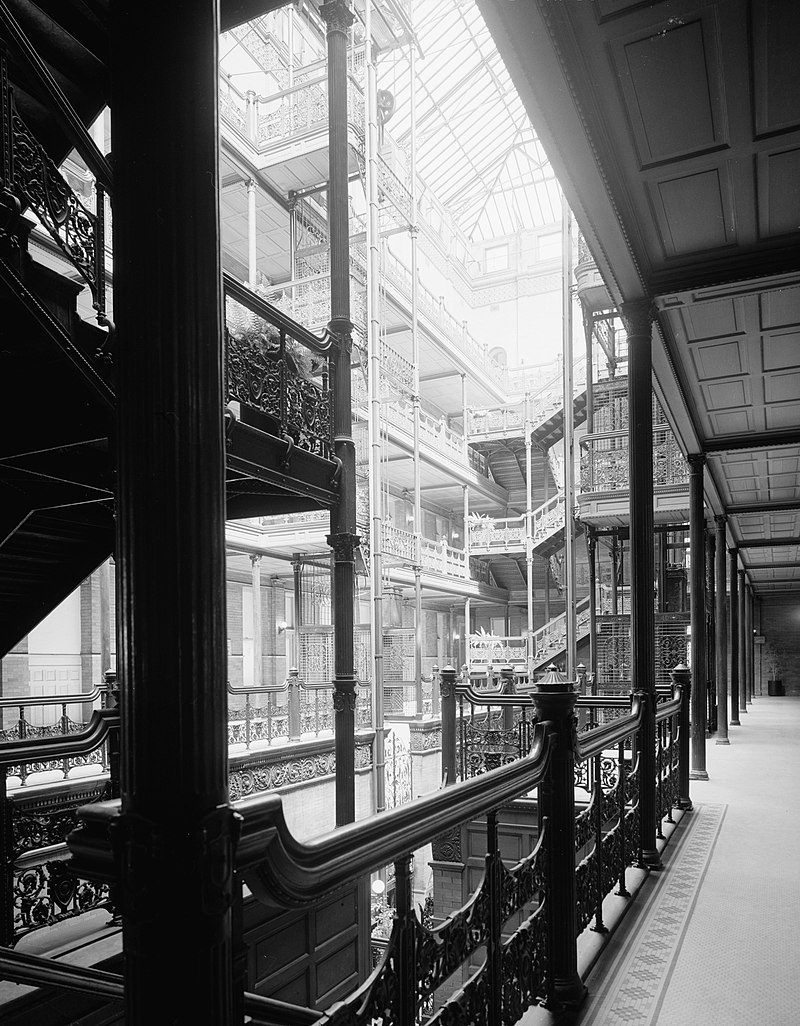
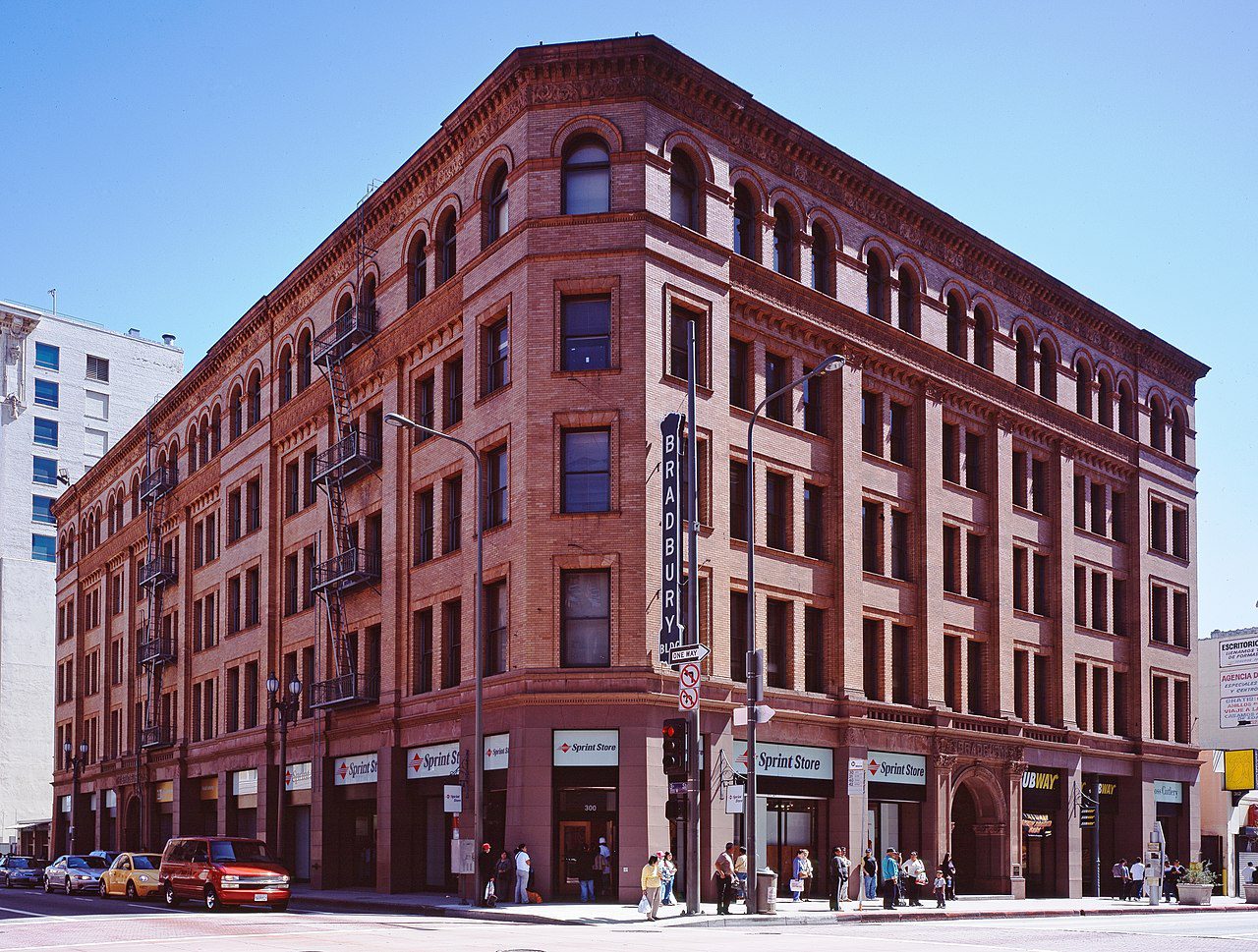
Did you know that the Bradbury Building is the oldest surviving commercial building in downtown Los Angeles? While its Romanesque-style facade may seem modest, what lies within is truly spectacular. As soon as you step inside, you’re transported to a magical Victorian courtyard featuring ornate birdcage elevators, elegant marble staircases, and exquisite ironwork railings. These architectural details give the place a unique and enchanting charm.
The Bradbury Building is a significant part of Los Angeles’s heritage, recognized in several key ways:
- It’s listed on the Canadian Register of Historic Resources, ensuring its preservation for future generations;
- It’s also on the National Register of Historic Places, a list reserved for sites of national importance;
- It holds local recognition in Los Angeles. This national historic landmark has even received awards, such as a preservation prize, which highlights the community’s dedication to maintaining its original appearance and legacy.
Built in 1893, the Bradbury Building is located at 304 S. Broadway in a district that perfectly blends history and modernity. The area is bustling with trendy restaurants, boutique shops, and cultural landmarks, and is home to a variety of sporting events.
A Story Built on Vision and a Seance
The vision for this iconic building came from Lewis L. Bradbury, a wealthy 19th-century mining and real estate tycoon. In 1892, he began planning a five-story building at the corner of Broadway and Third Street. To bring his grand idea to life, he hired local architect Sumner Hunt. Hunt was initially hesitant, but during a fateful seance one evening, he received a clear message from his deceased brother via a Ouija board:
“Take the Bradbury Building. It will make you famous.”
Whether you believe in the spiritual world or not, this message proved to be incredibly prophetic.
However, Bradbury wasn’t satisfied with Hunt’s final designs. He was looking for something truly magnificent. After rejecting Hunt’s plans, he hired one of Hunt’s draftsmen, George Wyman, who had no formal architectural training and was earning just $5 a week at the time. Historians still debate whether Wyman made significant changes to Hunt’s original design, which is why the question of the building’s true architect remains open. As a result, many sources credit both men.
Lewis L. Bradbury had dreamed of creating a building that would immortalize his name. The Bradbury Building officially opened in 1893, just a few months after his death. All work was completed in 1894 at a staggering cost of $500,000—far exceeding the initial budget of $175,000.
A Stunning Restoration
For a long time, the Bradbury Building served simply as an office building. In the early 1980s, Ira Yellin, a developer and champion of downtown LA revitalization, acquired the historic landmark. He invested $7 million in its restoration, a significant sum that included both a careful renovation and a seismic retrofit as part of his Grand Central Square project. The funds were used to restore the building’s original architectural features: the marble staircases, delicate iron railings, open-cage elevators, and the glass atrium roof. The seismic work reinforced the structure, bringing it up to modern safety standards.
The restoration project also included several key changes:
- A former storage area on the south side of the building was converted into a back entrance, connecting the building to Biddy Mason Park and the Broadway Spring Center;
- The building’s lighting system was updated with alabaster wall sconces imported from Spain.
In 2016, the building’s owner hired Spectra to restore the sandstone and marble, a process that involved cleaning, sealing, repairing chips and cracks, and regrouting the masonry.
The Building Today
Since 1996, the Bradbury Building has been the headquarters for the Los Angeles Police Department’s Internal Affairs division and other government agencies, with a lease signed for 50 years.
In 2003, a Hong Kong investor purchased the building for $6 million. Interestingly, Ira Yellin’s family did not put the building on the open market but instead offered it to a select group of potential buyers. Their goal was to find an owner who would respect its heritage and continue to preserve its authenticity. After the sale, Adele Yellin stated that the building’s fate was in good hands.
The Bradbury Building has also had a presence in the arts. From 2001 to 2003, it housed the Architecture and Design Museum, and in 2007, the Morono Kiang Chinese Art Gallery opened, adding a creative touch to the iconic building’s interior.
The ground floor is home to several businesses, including a sandwich shop, a coffee shop, and a real estate office. The Bradbury Building also houses the Berggruen Institute, a Los Angeles-based think tank. In 2024, the Bradbury Studios coworking space, managed by Downtown Properties, opened its doors here.
Hollywood’s Favorite Backlot
With its rich history and stunning grandeur, the Bradbury Building is a premier location for filming. Moviegoers have seen it in countless films, including “Double Indemnity” (1944), “Chinatown” (1974), “Blade Runner” (1982), and “The Artist” (2011), to name just a few. Its distinctive architecture has made it a perfect backdrop for over 100 world-class films, TV episodes, music videos, and commercials. If you’re looking to film here, you can book the location at least six months in advance.
The Bradbury Building is a prime example of a popular tourist attraction, thanks in large part to its frequent appearances on screen. The building is open daily, with a friendly public servant on duty who can share stories about its history and unique features. Visitors can explore the first floor, grab a brochure, or sign up for a guided tour offered every Saturday at 10 a.m. for both locals and tourists.
Experts recommend visiting during the day when the natural light pours in and illuminates the interior. Another special time to visit is during the Christmas season, when the building is adorned with festive seasonal decorations.