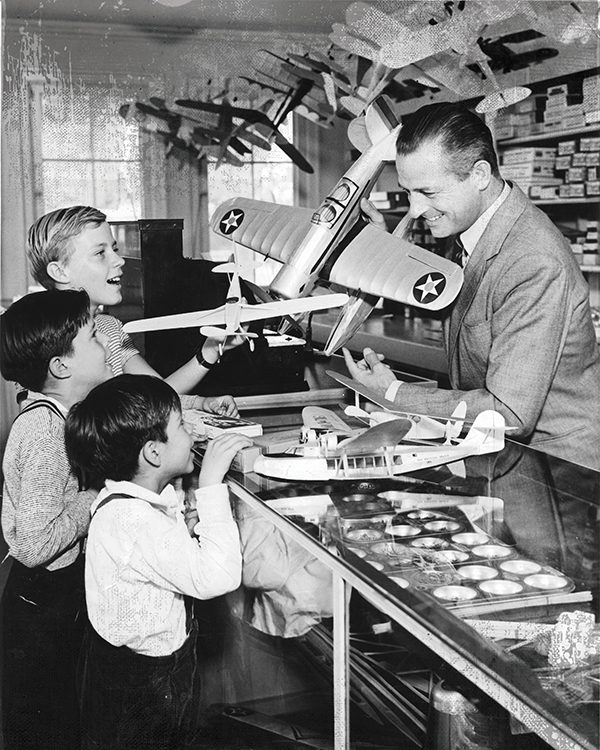

Reginald Denny played British aristocrats on Universal Studios sets by day, while spending his evenings working on blueprints that would change military aviation forever. For more on the incredible story of Hollywood star Reginald Denny, who created the world’s first mass-produced drone in Los Angeles, discover the full story on la-future.
Hollywood Career: From Silent Film to Star Roles
Reginald Denny was born into a theatrical family and began his stage career in 1899 playing the role of a prince. From ages 7 to 12, he appeared in several London productions. After his mother’s death, he was sent to Mayfield College, a Holy Trinity orphanage for boys. He would watch planes flying overhead, which inspired him to carve his first models.
At 16, he ran away from school and made his way to the National Sporting Club. Sir Harry Preston taught the young man the art of boxing. At 17, Reginald Denny even secured several heavyweight victories by knockout but suffered a broken jaw. Following this, he chose a safer life and began touring English music halls. A producer named Harris noticed the charismatic singer and invited him to the US in 1911 for filming.
Reginald Denny Industries
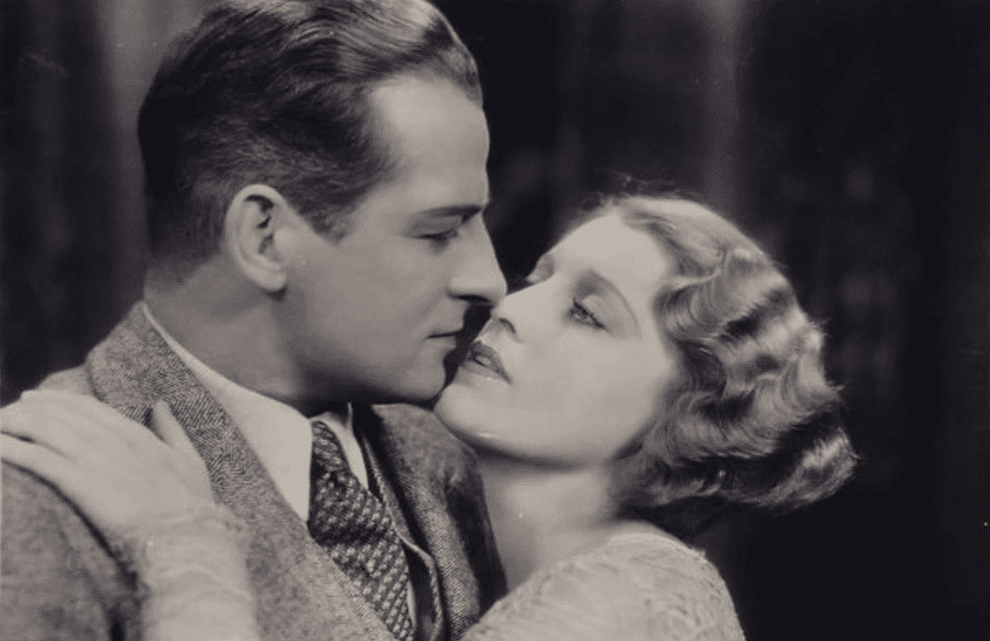
Reginald Denny served in the Royal Flying Corps during World War I. He later emigrated to the US to seek his fortune in Hollywood as an actor. It is worth noting he earned a good living playing supporting roles, though he lost a significant portion of his fortune by speculating on oil and mining stocks.
One incident helped shift his focus. He saw a young man trying to start one of the first radio-controlled model planes. He tried to help, but the model was destroyed instead. This sparked Reginald’s interest in the modeling industry, echoing his childhood passion. In 1934, he and a partner opened a small shop on Hollywood Boulevard, which went bankrupt two years later.
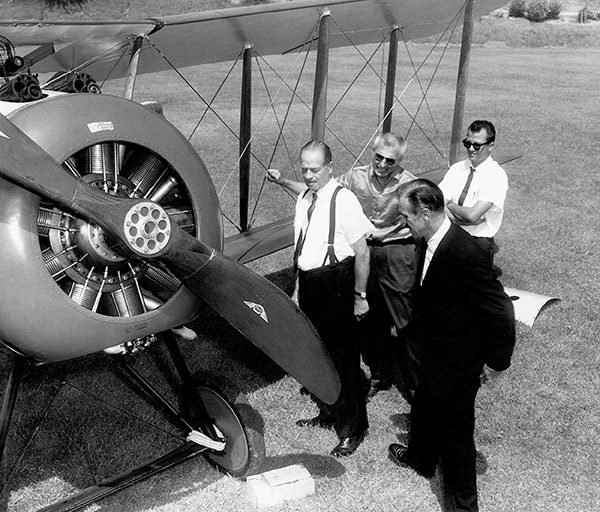
Later, Reginald Denny and Nelson Paul Whittier founded Reginald Denny Industries to develop a radio-controlled model. They were joined by electronics engineer Kenneth Case. They worked hard to create the design known as the Radioplane One or RP-1. The plane proved nearly uncontrollable due to system delays.
In 1936, Reginald Denny met General W.S. Thiele at Fort MacArthur, a former US Army base in Los Angeles, for future cooperation. On February 21, 1938, he attempted to interest the Army in the RP-1 at Drake Lake, but the radio failed and the plane crashed. The US Army agreed to buy three models if they met flight performance requirements. In 1939, Reginald Denny Industries demonstrated the RP-2, which was much more successful. Later, the company also showcased the RP-3.
Radioplane OQ-2 and the Van Nuys Factory
Reginald Denny’s true technological breakthrough happened not on screen, but in the San Fernando Valley. It was there, in the Van Nuys area, that the actor opened the factory for his Radioplane Company. This was the place where an entertainment hobby turned into a strategic weapon.
Reginald Denny realized that US Army anti-aircraft artillery crews needed a moving target for training that was cheaper and more efficient than towed gliders. After years of development and failed attempts to convince skeptics, the Army finally signed a contract in 1941 to purchase the Radioplane OQ-2.
This was the world’s first mass-produced drone. It had a small engine, remote control, and a parachute for landing. During World War II, the Van Nuys plant produced over 15,000 of these devices, making Denny’s company the largest UAV manufacturer of that time.
Thanks to Denny’s success, Los Angeles solidified its status as the “aviation capital of the world.” The Van Nuys plant became a magnet for engineers and inventors. This created a unique ecosystem where aerospace technology developed alongside the film industry. Reginald Denny proved that California is not just about dreams and red carpets, but also about advanced science capable of protecting the country.
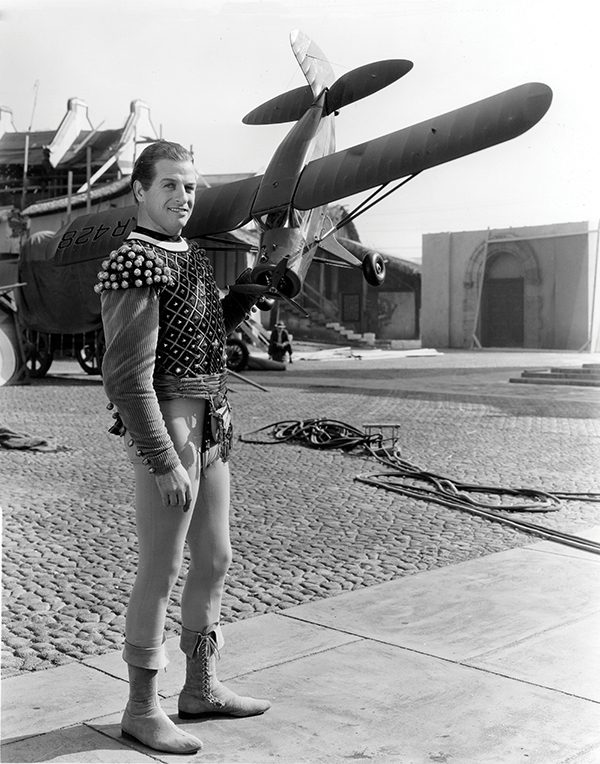
Marilyn Monroe
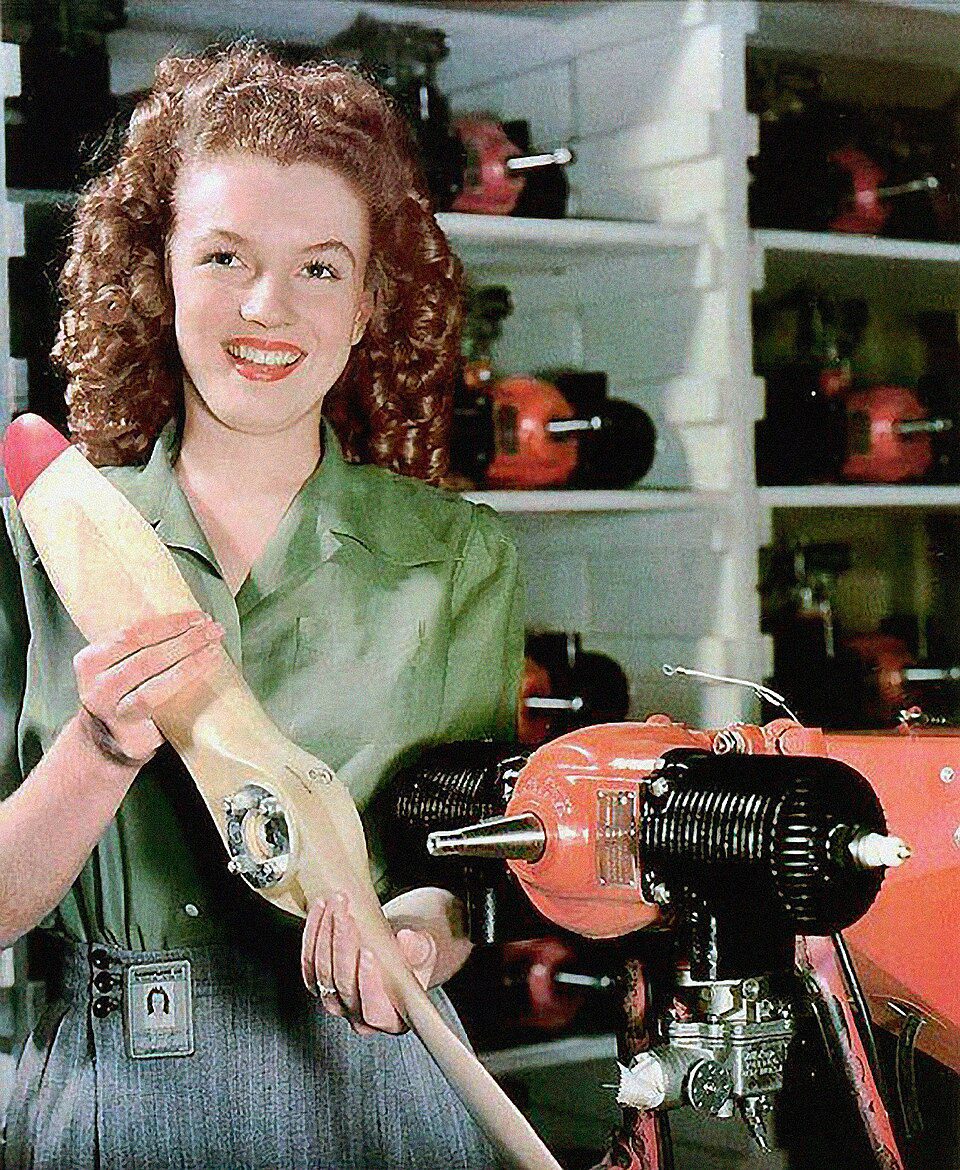
The history of the Radioplane factory includes one of the most surprising coincidences in world culture. In 1945, Army photographer David Conover was assigned to take a series of photos of women helping the front lines from the home front. On the drone assembly line, he noticed a 19-year-old girl checking propellers and applying dope to the fabricg. Her name was Norma Jeane Baker. Conover was so impressed by her photogenic look that he took several shots that later appeared in magazines. This meeting became a catalyst: soon Norma Jeane changed her name to Marilyn Monroe and became the leading sex symbol of the era.
Reginald Denny’s drones not only changed the course of the war but also introduced the world to the most famous actress in Hollywood history.
Personal Life
On January 28, 1913, Reginald Denny married actress Irene Hilda Haissman in Calcutta. They worked at the Bandmann Opera House. The couple had a daughter and divorced in 1928.
Reginald married for the second time in 1928 to actress Isabelle “Bubbles” Steifel. The couple had two children.
At age 75, the famous actor and aviator passed away following a stroke during a visit to England. The Royal Air Force honored the veteran with a flyover of his childhood home, and the Canadian Air Force made a final flight in a “Snipe.” The aircraft was then placed on display in a museum.
Reginald Denny is buried at Forest Lawn-Hollywood Hills Cemetery in Los Angeles.
The true story of the legendary movie star and drone aviation pioneer was shared by his granddaughter, Kimberly Pucci. It is an inspiring and interesting story. It tells of Reginald Denny, who fought for success during the evolution of cinema, aviation, and robotics.
The Legacy of Reginald Denny
This is how the company developed after Reginald Denny, turning into a defense giant (the path from a small factory in Ventura to giants in Palmdale and Redondo Beach).
| Period | Event | Significance |
| 1970s-80s | Export to 24 countries | Establishment of Northrop as a global drone standard. |
| 1990 | Move to Palmdale | Consolidation of production in California’s “Aerospace Valley.” |
| 1994 | The Northrop Grumman Merger | Creation of one of the largest defense contractors in the world. |
Today, the heirs to Reginald Denny’s ideas are powerful systems like the RQ-4 Global Hawk and MQ-4C Triton, capable of high-altitude reconnaissance for dozens of hours. Reginald Denny essentially created the concept of remote fire control and safe military training. Without his persistence in the 1930s, the modern drone industry (from military Bayraktars to civilian DJIs) might have developed quite differently.
Reginald Denny proved that everything is possible in Los Angeles: being a successful actor and a genius inventor at the same time. His story is a reminder that behind Hollywood’s glamour, there are often ideas that move the world forward. In today’s world, where drones have become part of our lives, it is worth remembering the name of the man who launched them into the sky right from the heart of California.