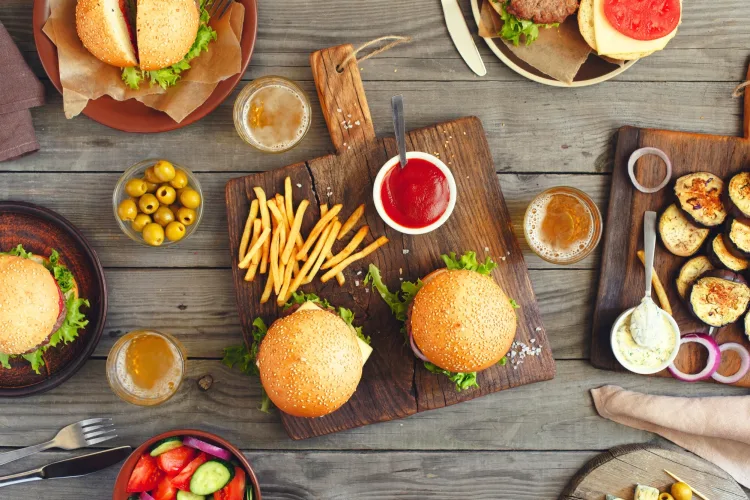

This is a story not just about food, but about a whole culture. California, particularly Los Angeles, is where countless iconic brands and concepts were born, forever changing the eating habits of millions of people worldwide. To learn more about how fast food became so popular, check out the website of la-future.
The Birth of Fast Food
The rise of fast-food joints in Los Angeles is intrinsically linked to the automobile boom and the growth of post-war society. In the 1920s and 30s, the city was expanding rapidly, with many people flocking to California in search of a better life. This period saw the explosive growth of car culture, which in turn sparked the creation of new dining formats like “drive-in restaurants,” where customers could order food without ever leaving their vehicles.
As the number of roadside eateries in Los Angeles grew, some of their architecture was truly extraordinary. While most roadside stands were seasonal in other parts of the country, California and Florida’s mild winters meant they could operate year-round. This made selling quick meals from the roadside an ideal solution for entrepreneurs with limited capital and a willingness to experiment. Most of these early roadside kiosks were built and funded by their owners.
Beyond car culture, drive-in movie theaters also played a big role. City residents could watch films from the comfort of their own cars while enjoying high-fat, high-calorie food at an affordable price. The book “Fast Food: Roadside Restaurants in the Automobile Age” by John Jakle and Keith Sculle delves deeper into the origins, architecture, and commercial growth of these restaurants.
Imagine Americans, limited by the Great Depression, who grew up on the thrilling cinema of Hollywood. In the 1930s, drive-in restaurants lined city parking lots and canyons. Typical menu items included barbecue, beef, pork, and chicken. Gradually, more diverse approaches emerged as fast-food owners constantly tried to outdo each other, all competing fiercely for customers.
Pioneering Fast Food in Los Angeles
During the 1940s boom, Los Angeles was at the epicenter of fast-food innovation. Let’s look at some of the most popular spots from that era.
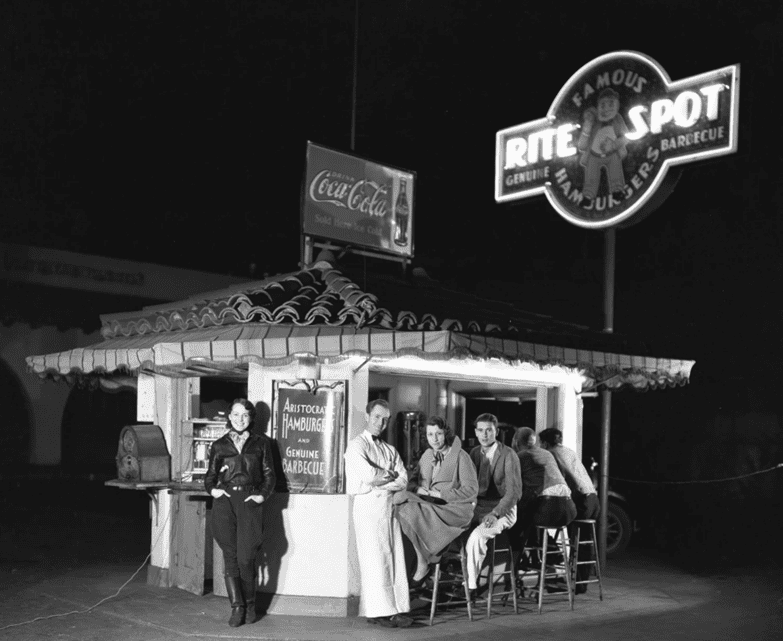
- In Pasadena, a spot called “Rite Spot” is said to be where the cheeseburger was invented in the 1920s. Southern California was the perfect location for these roadside food stands. In fact, a memorial plaque still stands on the sidewalk at 1520 W. Colorado Blvd., next to the Los Angeles Financial Credit Union, honoring the invention of the cheeseburger.
- In 1948, Esther and Harry Snyder founded “In-N-Out” in Baldwin Hills. It quickly became one of Southern California’s favorite hamburger stands. While the original building was torn down, a precise replica was later built on the same spot. It now serves as a museum dedicated to the famous “In-N-Out” history, opening at 11:00 am. The interior is filled with authentic artifacts, including coffee makers, potato peelers, fryers, and a cigarette machine, all placed in their original spots. It’s safe to say that In-N-Out was a beloved local institution.
- In 1948, Lovie Yancey and her partner opened Mr. Fatburger on Western Avenue. It was a three-seat counter built from scrap materials. Lovie Yancey eventually bought out her partner, renaming the joint Fatburger. She worked tirelessly until the place became incredibly successful. Known for her passion, she would often work 20-hour days, sometimes even sleeping behind the counter, eager to feed everyone who knocked on her door. Lovie Yancey capitalized on the post-war obsession with eating large portions at low prices.
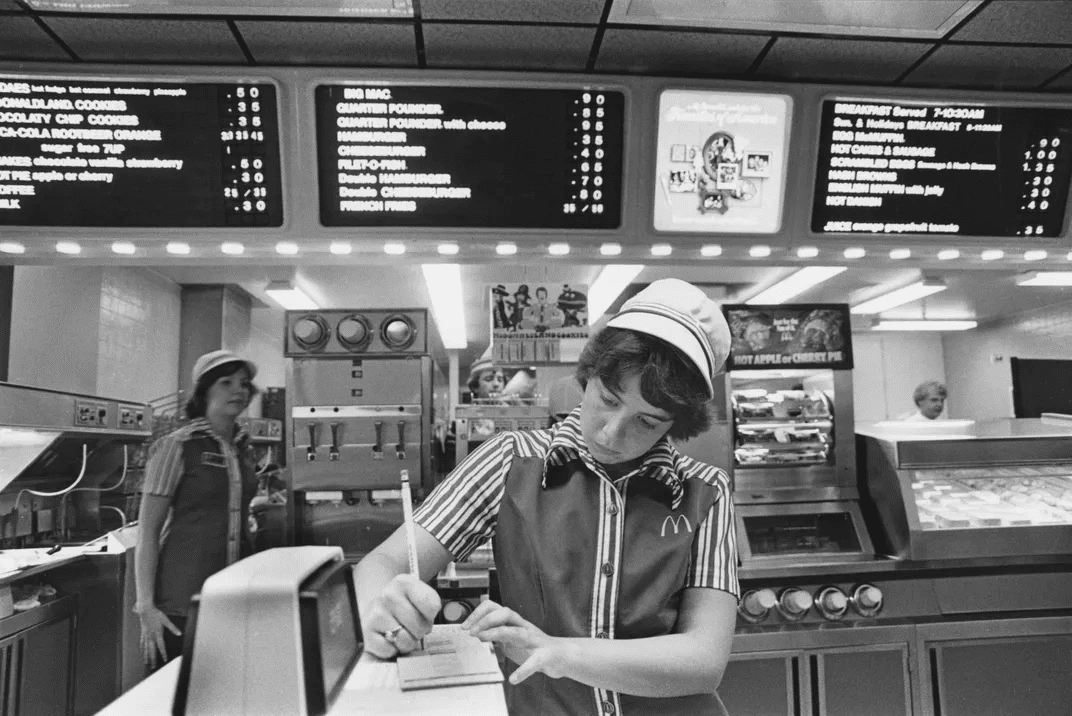
- Southern California is also home to the oldest existing McDonald’s. Founded in 1940 in San Bernardino, that location is long gone, but the one founded in 1953 still stands. This McDonald’s is located at the corner of Lakewood and Florence in Downey.
- In 1951, Esther and Harry Snyder opened a more modern “Jack in the Box” restaurant in San Diego, which revolutionized the drive-thru system.
The Rise of Mexican Fast Food
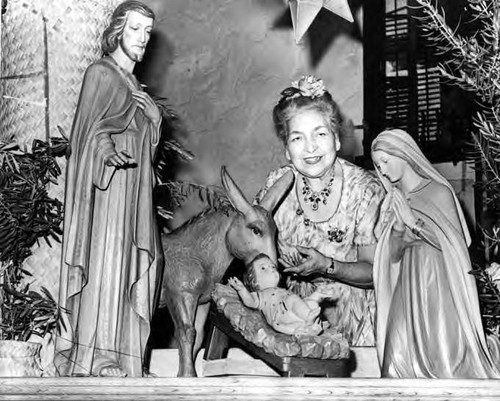
In 1924, Mexican immigrant Consuelo de Bonzo opened “La Misión” in Los Angeles. Located on South Spring Street, the spot quickly became a popular gathering place for the Mexican community, and de Bonzo herself became a prominent figure in the city.
After the city decided to demolish the neighborhood where “La Misión” was located, de Bonzo was invited to open a new restaurant on Olvera Street. In 1930, she opened “La Golondrina Cafe” in the old Pelanconi House. The restaurant is still serving customers today and is advertised as the city’s first authentic Mexican fast-food restaurant.
Innovation is Inevitable
After World War II, California saw some significant changes. More women were entering the workforce, leading to an increase in dual-income households. This shift broke traditional gender roles around dinner preparation and meant more people were commuting. As a result, more city dwellers were forced to eat on the go, and fast-food restaurants stepped in to fill that gap. As culinary journalist Catherine Speirs noted in her book “How to Eat in Los Angeles,” Southern California is a place where people drive innovation.
The McDonald brothers, for instance, pioneered a new type of assembly-line food production known as the “Speedee Service System.” This standardized every item on the menu, down to just two pickles per burger, maximizing efficiency and convenience.
What’s more, Los Angeles was a haven for dreamers. Whether they wanted to make it in Hollywood or become a successful entrepreneur, LA offered a chance to shine. While dreamers in other parts of the country might have faced racism or sexism, Los Angeles welcomed everyone who had the courage and determination to work hard.
A great example of this is “Taco Bell” in Downey, which was opened in 1962 by a young entrepreneur named Glen Bell. He had initially been inspired by a restaurant owned by a man of Mexican and American heritage before striking out on his own.
A Symbol of American Life
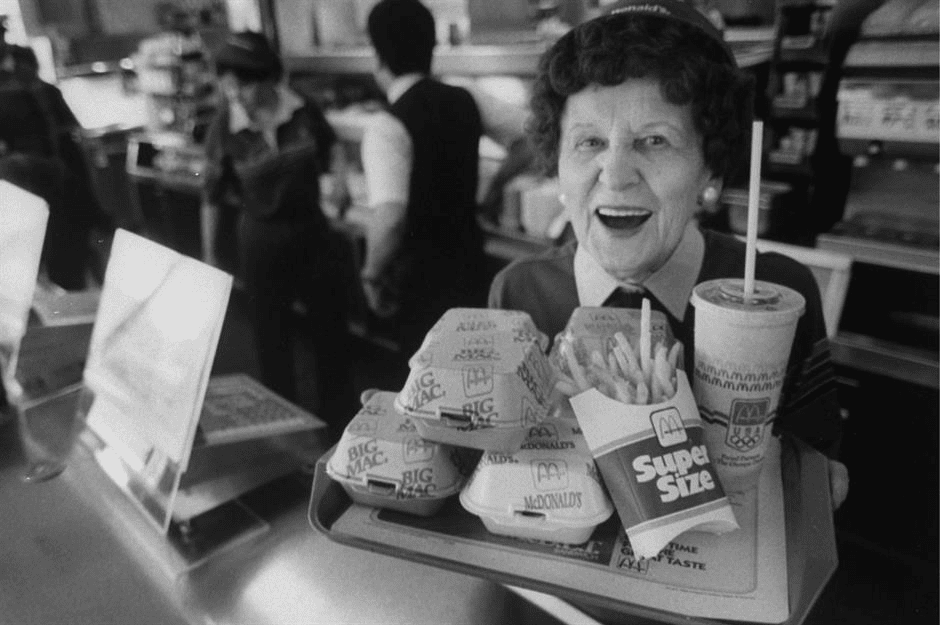
In the 1960s and 70s, fast food truly began to expand. Today, Southern California is home to more than 8,000 McDonald’s restaurants, 8,500 Taco Bells, and 3,100 Carl’s Jr. locations.
Fast food became synonymous with speed, comfort, and affordability—a true symbol of American life. Young people, workers, and families all found something special in the ability to get a quick, tasty meal without interrupting their busy lives. The fast-food culture in Los Angeles reflected a desire for innovation and constant motion. So it’s no surprise that the fast-food empire not only started but took deep root right here in Los Angeles.