

Sunset Boulevard is one of Los Angeles’s most iconic thoroughfares. It stands as a symbol of the city’s growth, entertainment industry, and urban evolution. Stretching from the Pacific Ocean to downtown, the boulevard connects historic neighborhoods, exclusive residential areas, and legendary landmarks of American pop culture. Read more on la-future.
Location
Spanning roughly 24 miles, Sunset Boulevard cuts through central and western Los Angeles. It kicks off near the Pacific coast in Pacific Palisades and wraps up at Figueroa Street downtown.
The boulevard’s route evolved organically, partially following an 18th-century cattle trail that linked the Pueblo de Los Ángeles to the ocean. This historical path explains the road’s signature curves, which trace the natural contours of the mountains framing the northern edge of the L.A. Basin.
The street winds through a lineup of iconic neighborhoods, including Echo Park, Silver Lake, Hollywood, West Hollywood, Beverly Hills, and Bel Air. In Westwood, the boulevard runs right alongside the UCLA campus.
The Boulevard’s Historical Roots
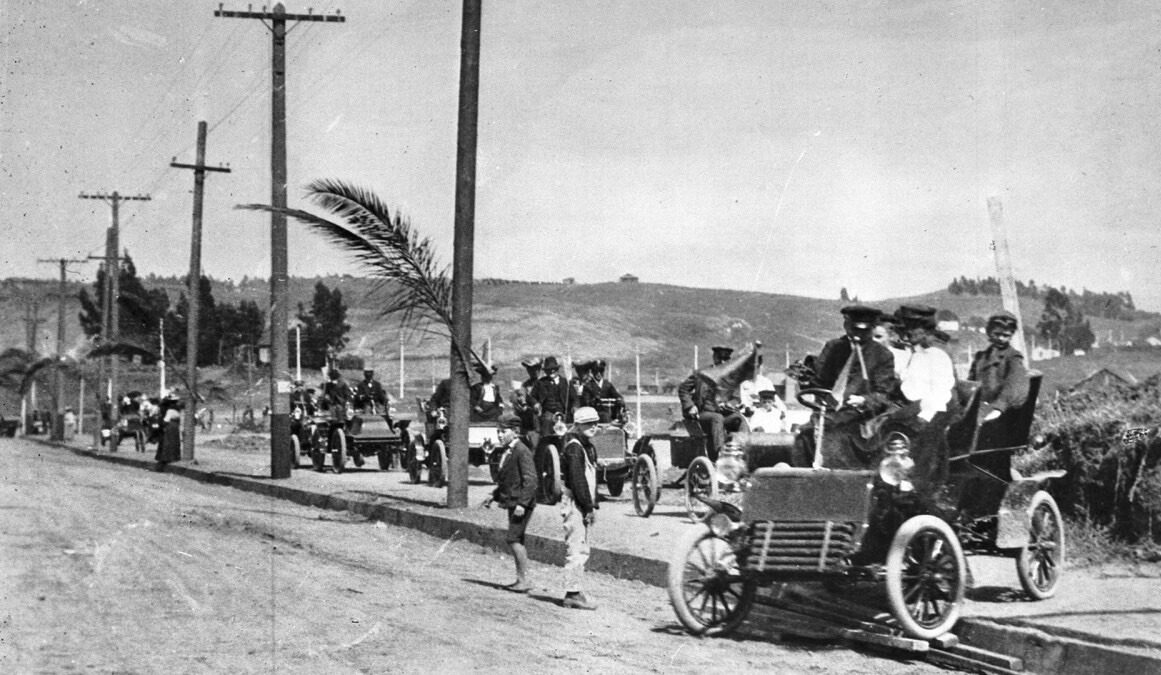
The story of Sunset Boulevard begins in the late 19th century during a massive real estate boom in what is now Los Angeles. In 1877, entrepreneur Harvey Wilcox subdivided over 20 acres of land along the route. This move laid the groundwork for the neighborhood we now know as Hollywood.
By the end of the century, a Belgian diplomat purchased large tracts of the former Rancho La Brea, pushing the boulevard’s expansion even further. Originally, Sunset Boulevard was much shorter, running only between Hollywood and Echo Park. However, in the early 20th century, city officials began widening and realigning the road, transforming it into a major traffic artery.
Sunset Boulevard officially opened on May 14, 1904. The event featured a festive parade of early automobiles, horse-drawn carriages, and electric streetcars. The streets were decked out in celebratory decorations, drawing huge crowds eager to witness history. For the first time, the boulevard connected Los Angeles with the then-independent city of Hollywood. Despite the fanfare, the new road wasn’t perfect; it suffered from uneven paving and a lack of landscaping.
At the time of its opening, Sunset Boulevard was a hub for both cars and rail. The center of the road featured double tracks owned by the Los Angeles Pacific Railway, allowing for interurban streetcar service. In fact, most people who attended the grand opening arrived via these streetcars.
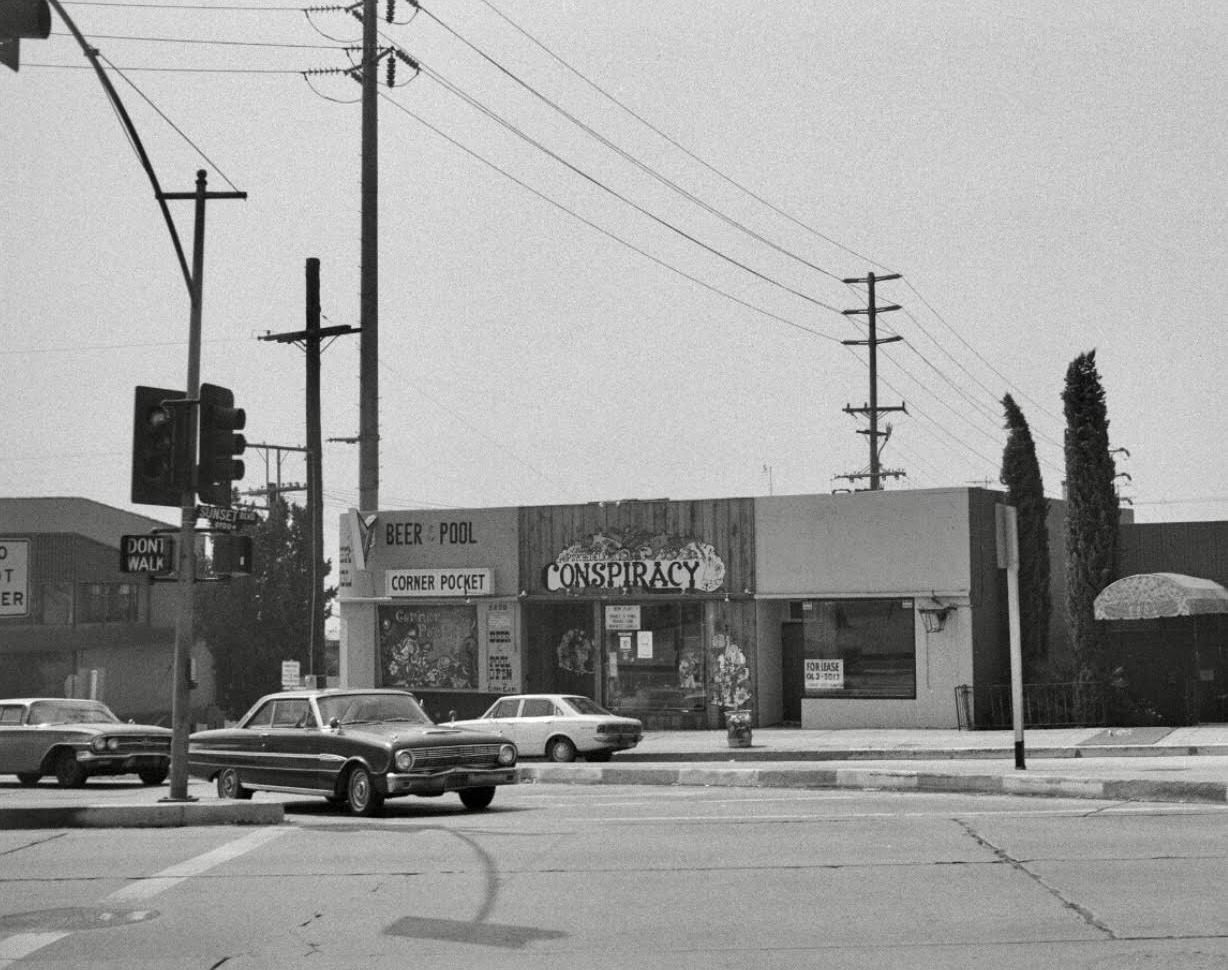
The 1920s saw a massive westward expansion toward the ocean. Legendary entertainer Will Rogers played a huge role in this push by investing heavily in the area. He later donated a portion of his land to the State of California.
Over time, Sunset Boulevard evolved into a crucial transit corridor, but it also faced typical big-city growing pains. Thanks to its complex geometry and sharp curves, certain stretches are notoriously dangerous for drivers. Although the boulevard has at least four lanes along its entire length, it’s frequently bogged down by heavy traffic. Its piecemeal construction explains why the road’s width varies and why some sections are so tricky to navigate. Historically, the boulevard stretched further east than it does today. However, in 1994, the easternmost portion was renamed Cesar Chavez Avenue to honor the iconic civil rights leader.
Winding Through Hollywood
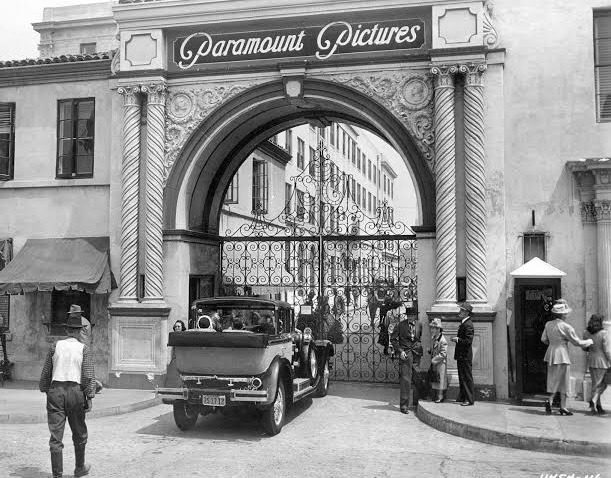
As Hollywood exploded into the epicenter of the film industry, Sunset Boulevard became the main artery for actors, directors, and studio crews. Its prime location made it easy to bounce between film sets, theaters, and residential neighborhoods, cementing the street as an essential part of Hollywood’s Golden Age. Some of the earliest movie palaces and studios, including the Warner Bros. lots, set up shop near the boulevard, playing a massive role in shaping American cinema.
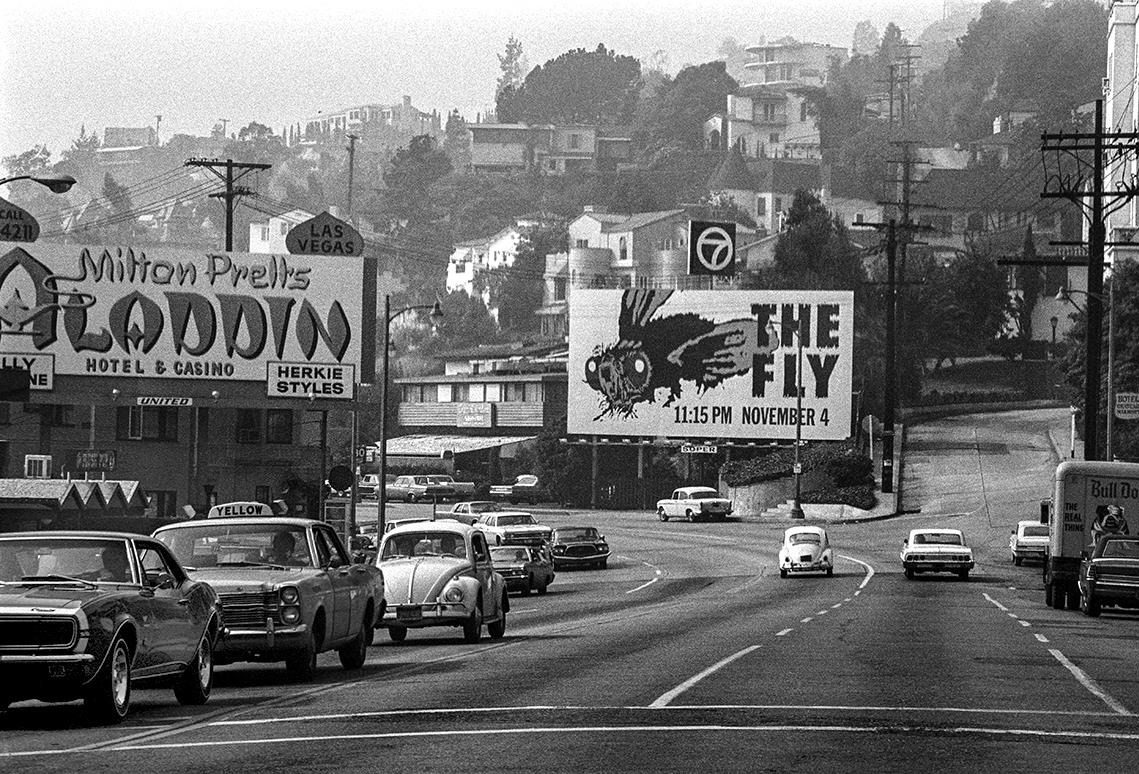
The Sunset Strip in West Hollywood holds a special place in the boulevard’s history. As early as the 1920s, it emerged as a nightlife hotspot, especially during Prohibition when speakeasies operated in the shadows. After the ban on alcohol was lifted, the area quickly transformed into the beating heart of the music and entertainment scenes. Today, it’s home to legendary venues like Whisky a Go Go, The Roxy Theatre, and The Viper Room. These clubs served as launching pads for countless musicians and mirrored the shifts in youth culture across the decades. The Strip is also famous for its massive billboards, which have become an iconic part of L.A.’s visual landscape and a testament to the evolution of the advertising industry.
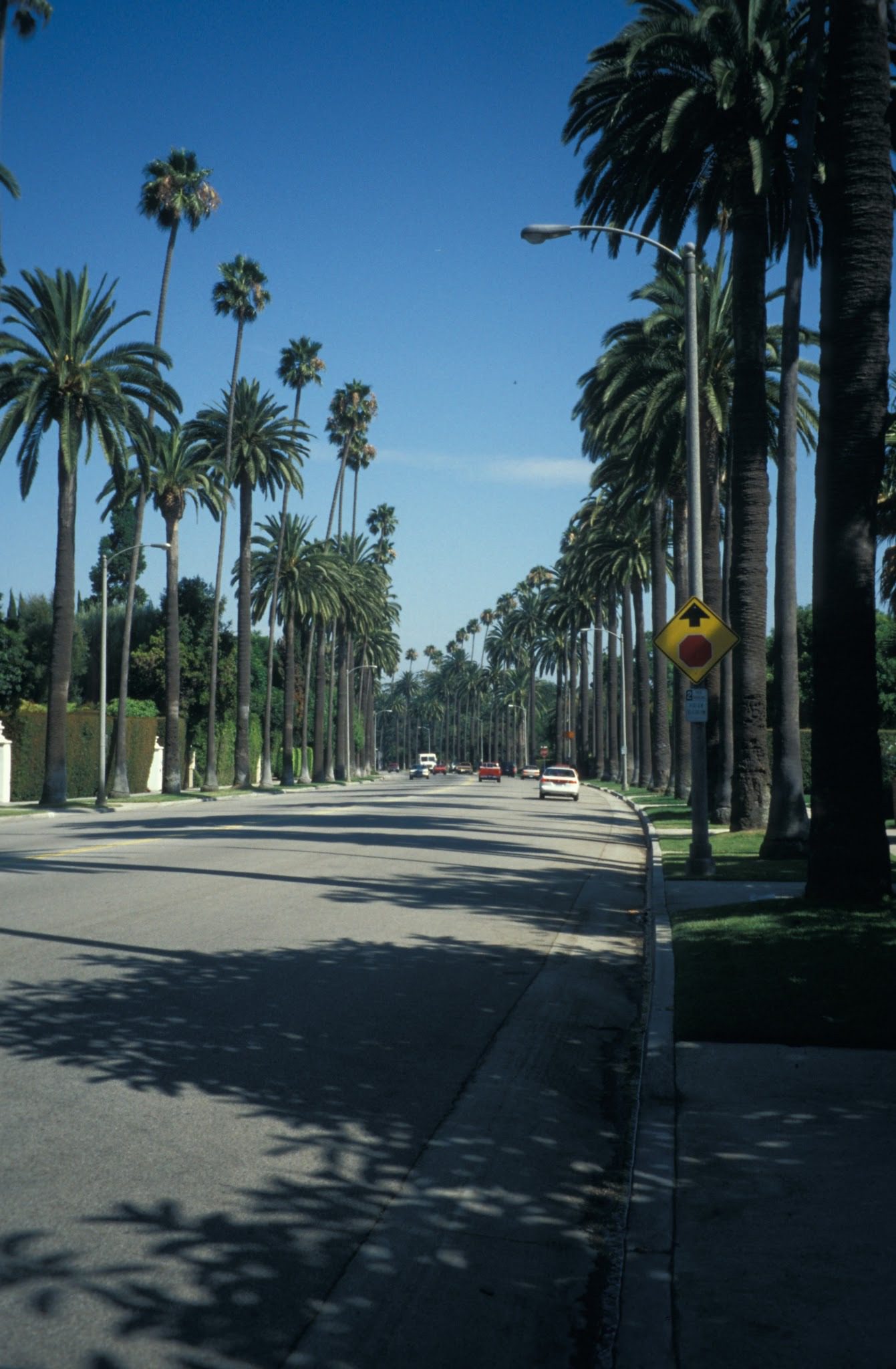
Heading west, Sunset Boulevard rolls right through Beverly Hills, one of the most exclusive neighborhoods in the United States. This is where you’ll find the legendary Beverly Hills Hotel, which opened its doors in 1912. For decades, it has hosted politicians, movie stars, and showbiz elites, with its Polo Lounge becoming the ultimate power-lunch spot for the entertainment industry. Just across from the hotel is Will Rogers Memorial Park, one of the city’s oldest public parks.
The boulevard continues through Holmby Hills and Bel Air—neighborhoods synonymous with ultra-luxury real estate, sprawling estates, and breathtaking views. During the 20th century, this area became a haven for business tycoons, studio founders, and A-list actors. This influx of wealth cemented the boulevard’s status as a symbol of prestige and financial success. Even today, property values along this stretch of Sunset remain some of the highest in Southern California.
Past Bel Air, the road winds through Brentwood and into Pacific Palisades, finally ending at the Pacific Coast Highway (PCH). This leg of the journey blends residential blocks, schools, and natural landscapes, offering a direct link from the city center to the beach. Sunset Boulevard is one of the few streets in Los Angeles that provides a seamless, uninterrupted drive from downtown straight to the coast, highlighting its unique role in the city’s urban layout.
Cultural Significance
Sunset Boulevard has been immortalized in art, film, and music time and time again. The most famous example is the classic 1950 film “Sunset Boulevard,” a masterpiece of world cinema. The street also inspired Andrew Lloyd Webber’s hit musical of the same name and the classic TV show “77 Sunset Strip.” Another distinct cultural landmark is the mural on a building featured on the cover of Elliott Smith’s “Figure 8” album. Following the musician’s death, the wall was transformed into a makeshift memorial.
Today, Sunset Boulevard remains a vital piece of L.A.’s infrastructure. The street is heavily serviced by public transit, including buses and metro lines. However, it also faces ongoing challenges tied to urbanization and natural disasters. For instance, in 2025, the western edge of the boulevard in Pacific Palisades was hit hard by massive wildfires, resulting in significant destruction.
Ultimately, Sunset Boulevard is much more than just a road; it’s a historical and cultural phenomenon. It weaves together its 19th-century heritage, the rise of Hollywood, the booming music industry, and modern urban life. Its true value lies not just in getting people from point A to point B, but in its enduring status as a symbol of American culture and city living.