

Shakespeare Bridge in Los Angeles is a true Neo-Gothic architectural gem nestled in the picturesque Hollywood Hills. For many travelers, this landmark — officially known as the Franklin Avenue Bridge — serves as a portal to Old Europe in the heart of sunny California. Built in 1926 and named after the great playwright William Shakespeare, it has become an iconic spot for filmmakers and photographers worldwide. If you are looking for authentic locations in the Franklin Hills area, this bridge should be at the top of your must-visit list. Read more about its secrets at la-future.
The Origins of the Shakespeare Bridge
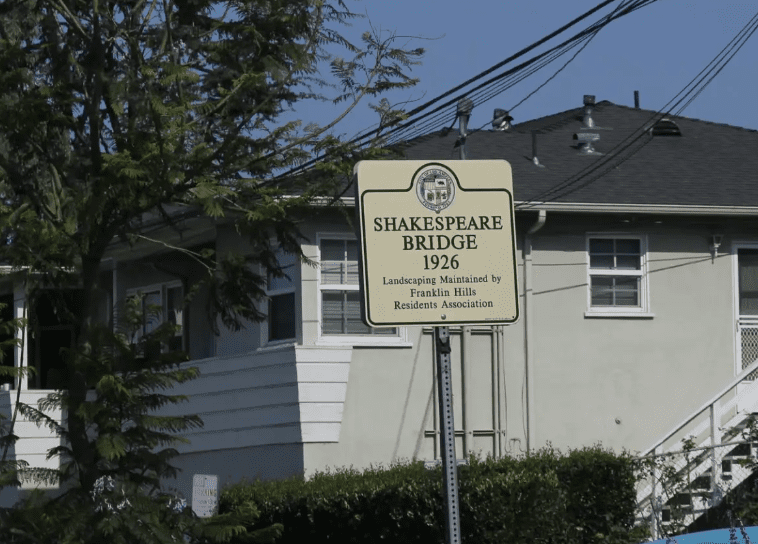
As documented on the historic plaque at the site, the bridge was officially completed in 1926. While its formal name is the Franklin Avenue Bridge, locals and visitors alike sometimes refer to it by the slightly inaccurate title of Franklin Street Bridge. The project was spearheaded by civil engineer J. C. Wright from the Los Angeles Bureau of Engineering. Its primary purpose was to bridge the gap between Franklin Hills, East Hollywood, and the Ivanhoe neighborhood, effectively opening the hills for new residential communities. Today, the pristine landscape surrounding the bridge is meticulously cared for by the Franklin Hills Residents Association.
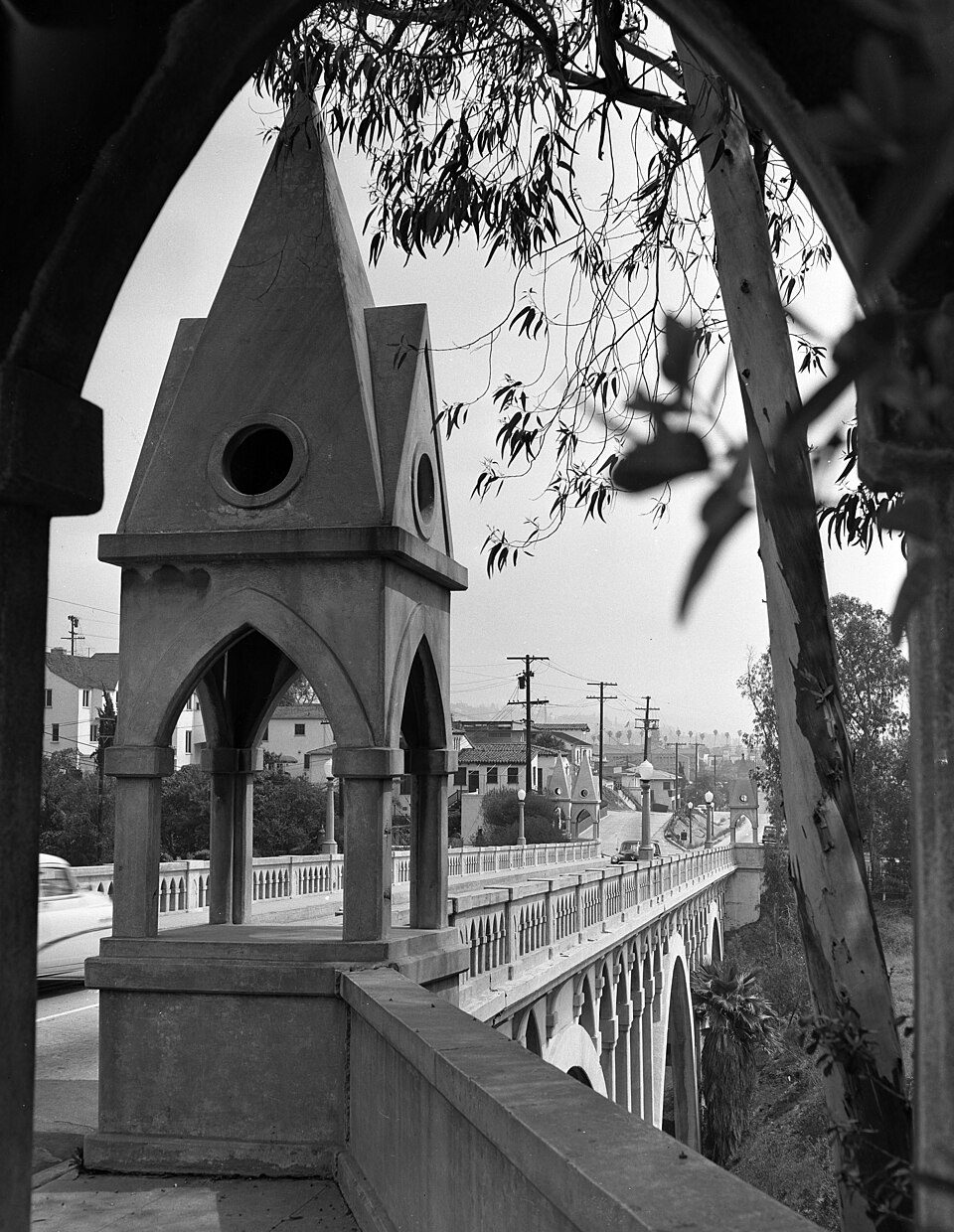
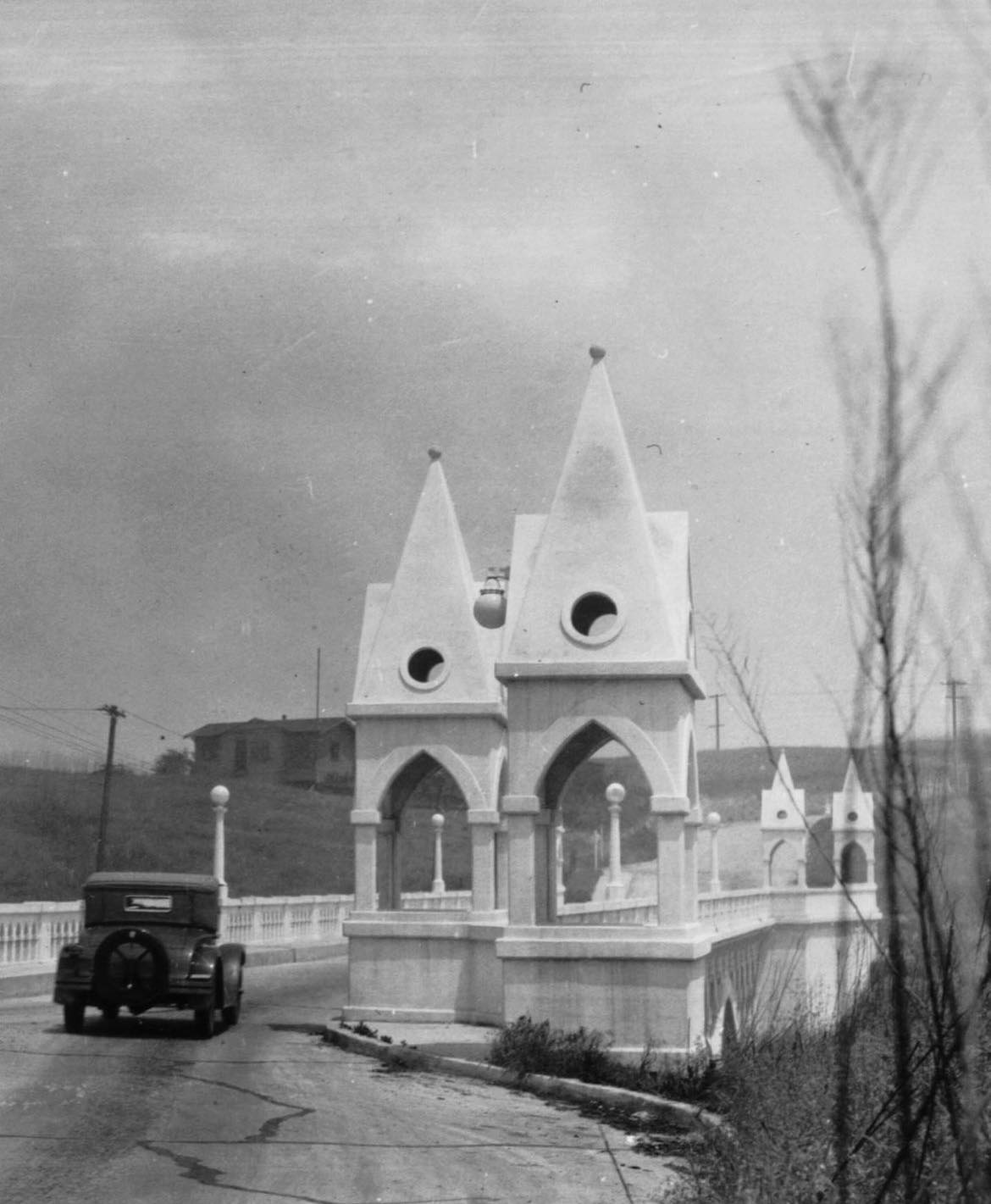
Crafted from concrete but finished with ornate Gothic flair, the bridge is a fitting tribute to William Shakespeare. Its design is truly one-of-a-kind in the city, spanning 261 feet and featuring four iconic Gothic spires at each entrance. The structure remains remarkably intimate, with a total width of 30 feet including sidewalks, and a narrow 20-foot lane reserved for vehicle traffic.
Although the bridge’s early days were marked by local tax disputes among homeowners, it quickly transitioned into a cherished community icon. Recognizing its immense value, the city designated the Shakespeare Bridge as Los Angeles Historic-Cultural Monument No. 126 in 1974.
Seismic Reinforcement for the Modern Age
In the wake of the 1994 Northridge earthquake, concerns arose regarding the bridge’s ability to withstand future tremors in the Franklin Hills area. This led to an extensive seismic retrofitting project in 1998. During this process, engineers carefully dismantled the original decks and railings, rebuilding them from the ground up using modern reinforced concrete.
The renovation fundamentally changed the bridge’s mechanics; the old separate sections and expansion joints were replaced by a seamless, welded monolith. Now functioning as a single, massive slab, the entire deck moves in unison during seismic activity, providing significantly higher stability and safety.
This engineering overhaul transformed the Shakespeare Bridge into a resilient fortress without sacrificing its delicate, storybook appearance. The renovation successfully balanced modern safety requirements with the need to protect the historic aesthetic of the bridge.
Architectural Elegance
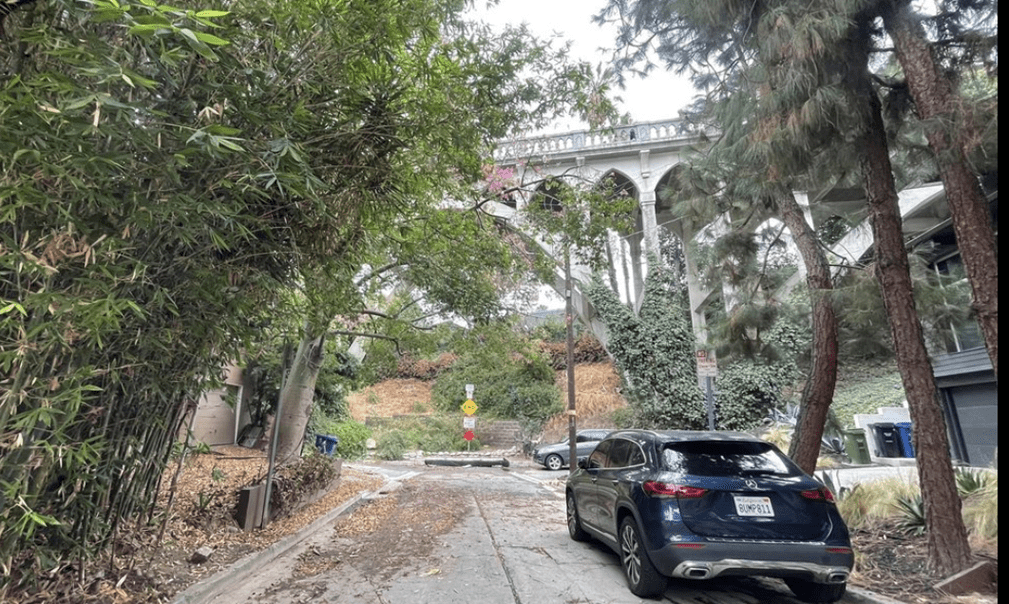
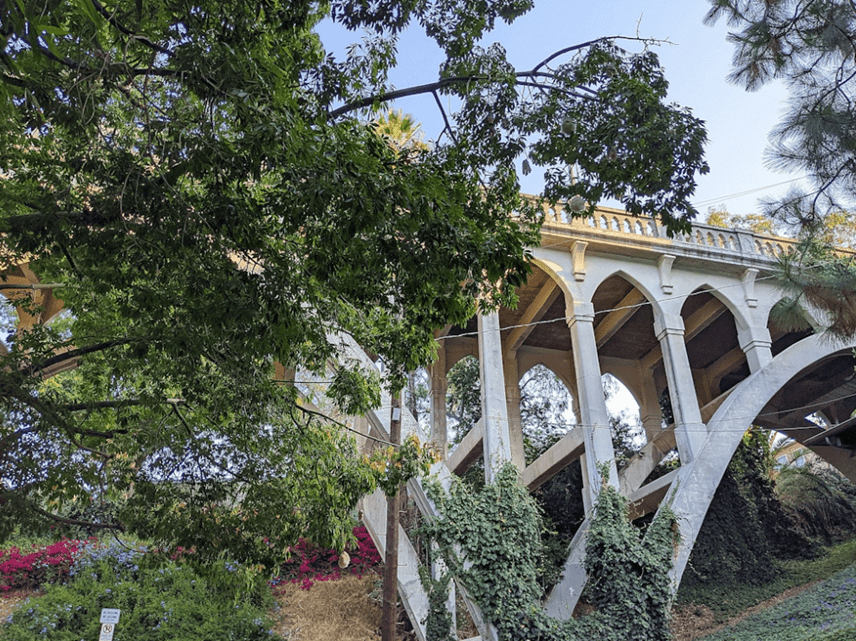
The bridge’s Gothic Revival style offers a sharp, beautiful contrast to the Spanish-style homes typical of the Franklin Hills. Built over a small canyon, the landmark is defined by its elegant railings and sharp, pointed arches. Despite being made of heavy concrete, the bridge feels as though it was lifted straight from the pages of a fairytale.
For nearly a century, pedestrians and drivers have been enamored by its design. In earlier decades, ivy often climbed its walls, enhancing the bridge’s timeless vibe. Old photographs provide a glimpse into the past, showing classic Buicks and Fords crossing the narrow span while children played nearby under the soft glow of evening lampposts.
Today, the bridge remains a point of immense local pride. Its quiet sophistication serves as a lasting symbol of the “Old Los Angeles” atmosphere that continues to captivate the public imagination.
A Spotlight on the Silver Screen
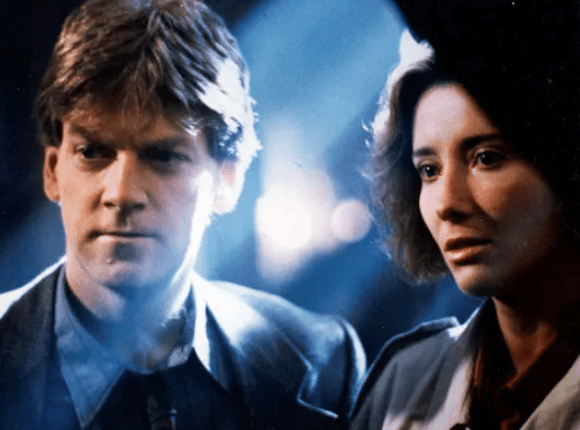
The Shakespeare Bridge has long been a darling of the film industry, providing a versatile backdrop for both romantic and suspenseful scenes. A prime example is the 1991 thriller Dead Again. Director and actor Kenneth Branagh utilized the bridge’s moody, somber aesthetic to perfect the film’s atmosphere of mystery.
In a memorable chase sequence, the bridge’s spires and arches heighten the noir detective vibe as Roman Strauss pursues Doug. By filming here, the production successfully bridged the gap between the past and present, mirroring the central themes of the story through the bridge’s own historic presence.
Visitor Guide & Practical Advice
Visitors can explore the Shakespeare Bridge Garden located directly beneath the structure. Additionally, the nearby Los Feliz Campus of the Lycée International offers even more architectural beauty to admire in the immediate area.
- For photography enthusiasts, the hour before sunset is ideal. This “golden hour” light brings out the intricate textures of the concrete and creates a truly ethereal atmosphere around the spires.
- The bridge is situated in a quiet residential neighborhood. Please be mindful of noise levels and respect the privacy of the people living in the surrounding homes.
- Due to the narrow streets of Franklin Hills, parking can be difficult. It is often easier to park on a lower street and enjoy a short, scenic walk up to the landmark.
- Don’t miss the view from below. The community garden provides a fantastic perspective of the bridge’s massive arches that many visitors overlook.
- Take the time to see the Lycée International campus. Its design perfectly mirrors the European spirit of the district, making you feel as though you’ve stepped into a historic overseas village.
- The area is famous for its steep terrain and “secret stairs.” If you plan on a walking tour of the hills, ensure you have comfortable, high-traction footwear.
Top 3 Instagram-Worthy Shots
To capture the best of the bridge, local photographers suggest these three prime angles:
- The Classic Entrance: Shoot from the Franklin Avenue side to capture the receding line of concrete spires, creating a sense of a fairytale path.
- The Garden View: Look up from the Shakespeare Bridge Garden to frame the grand arches against the bright California sky.
- The Historical Detail: A close-up of the 1926 plaque is a great way to add context and historical depth to your social media stories.
Frequently Asked Questions about Shakespeare Bridge (FAQ)
1. Where is the Shakespeare Bridge located in Los Angeles? It is located in the Franklin Hills neighborhood, carrying Franklin Avenue over a ravine between Myra Avenue and St. George Street.
2. Why is it called the Shakespeare Bridge? It was named in honor of the legendary playwright William Shakespeare due to its romantic Gothic style, which evokes the atmosphere of old England.
3. Is the Shakespeare Bridge a historic landmark? Yes, it was designated as Los Angeles Historic-Cultural Monument #126 in 1974.
4. When is the best time to take photos? The “Golden Hour” (one hour before sunset) is perfect for photography, as the soft light highlights the Neo-Gothic spires and concrete textures.
An Unmissable LA Experience
The Shakespeare Bridge stands as a testament to the many historical layers of Los Angeles that exist far beyond the reach of Hollywood film sets. It is a rare site where functional infrastructure and high art meet seamlessly.
Whether you’re visiting for professional photography or a romantic stroll, the bridge offers a unique sense of tranquility in the heart of a vibrant city. Its status as one of the most romantic spots in LA is well-deserved, making it a mandatory stop for anyone exploring the city’s hidden gems.
Sources: