

Against this backdrop, tech companies offering accessible tools for self-regulation and psychological support are playing an increasingly vital role. One of the most recognizable platforms in this space is Headspace—a digital company specializing in meditation, mindfulness, and online therapy. Read more at la-future.
The Origin Story
The concept for Headspace was born out of a perfect blend of personal experience and professional expertise. Andy Puddicombe, a former Buddhist monk who spent over a decade training in meditation across Asia, returned to the UK with a clear mission: to make mindfulness practices accessible to the general public.
In 2009, he teamed up with Richard Pierson to host live meditation events in London and New York City. Attendees were given materials for independent practice loaded onto USB flash drives. This initial format allowed the duo to gauge consumer demand and build their very first community.
The pivotal moment came in 2012 with the launch of the Headspace mobile app, transforming a local initiative into a scalable digital product. By 2017, the company had established offices in Los Angeles, San Francisco, and London, backed by a rapidly growing team of specialists.
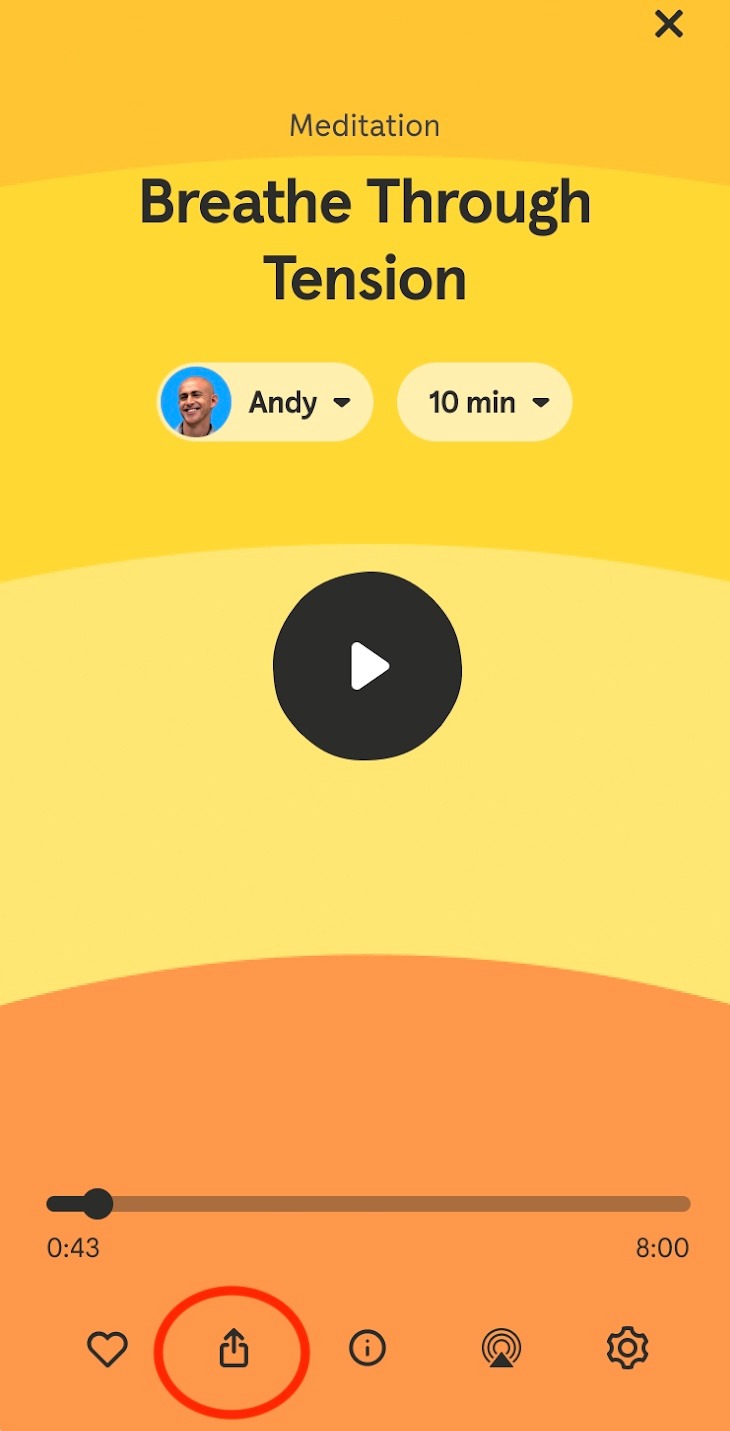
Headspace’s role in carving out a brand-new market—mass-market digital meditation—deserves special recognition. Before the platform arrived, meditation was largely viewed as either a spiritual tradition or a niche practice for a small circle of enthusiasts. Puddicombe demystified complex mindfulness concepts, reshaping them into easy-to-understand, bite-sized daily exercises. The company focused heavily on radical simplicity. Instead of demanding long retreats or complex techniques, they offered users 10-minute sessions that could easily fit into a busy day. This approach lowered the barrier to entry and successfully fostered a new behavioral habit: regular digital meditation.
Evolution into a Mental Health Platform
A major milestone came in 2018 with the launch of Headspace Health. The subsidiary began spearheading clinical trials aimed at securing FDA clearance for its digital therapeutic products. Then, in 2021, the company made a massive strategic move by merging with Ginger, an on-demand virtual therapy platform. The combined entity valued the company at roughly $3 billion, allowing it to offer an all-in-one mental health solution ranging from everyday meditation to psychotherapy and behavioral coaching.
The Ginger merger significantly expanded the company’s business model, pushing it far beyond individual consumer subscriptions. Headspace’s corporate solutions now allow enterprises to integrate mental health tools directly into the workplace, aligning with modern employee wellness trends. This business line unlocked new B2B revenue streams and solidified Headspace’s position as an end-to-end platform bridging prevention, support, and psychiatric treatment. Following the merger, Russell Glass stepped in as CEO, and in 2024, Tom Pickett assumed the role, steering the company’s ongoing evolution as a major player in digital health.
Today, Headspace essentially functions as a media company, with premium content serving as the engine of its business model. All meditations, specialized programs, and audio series are built as structured educational products tailored to specific real-world situations. The platform relies on a modular approach, giving users access to long-form series (Packs), standalone tracks (Singles), and mini-sessions (Minis) for a highly personalized user experience. Headspace also actively collaborates with entertainment giants. The company teamed up with Netflix to produce a slate of animated specials, including Headspace Guide to Meditation, Headspace Guide to Sleep, and the interactive Unwind Your Mind, which all premiered in 2021. Furthermore, Puddicombe’s viral TED Talk, “All It Takes Is 10 Mindful Minutes,” remains one of the internet’s most-watched presentations on the power of meditation.
Core Features and Innovations
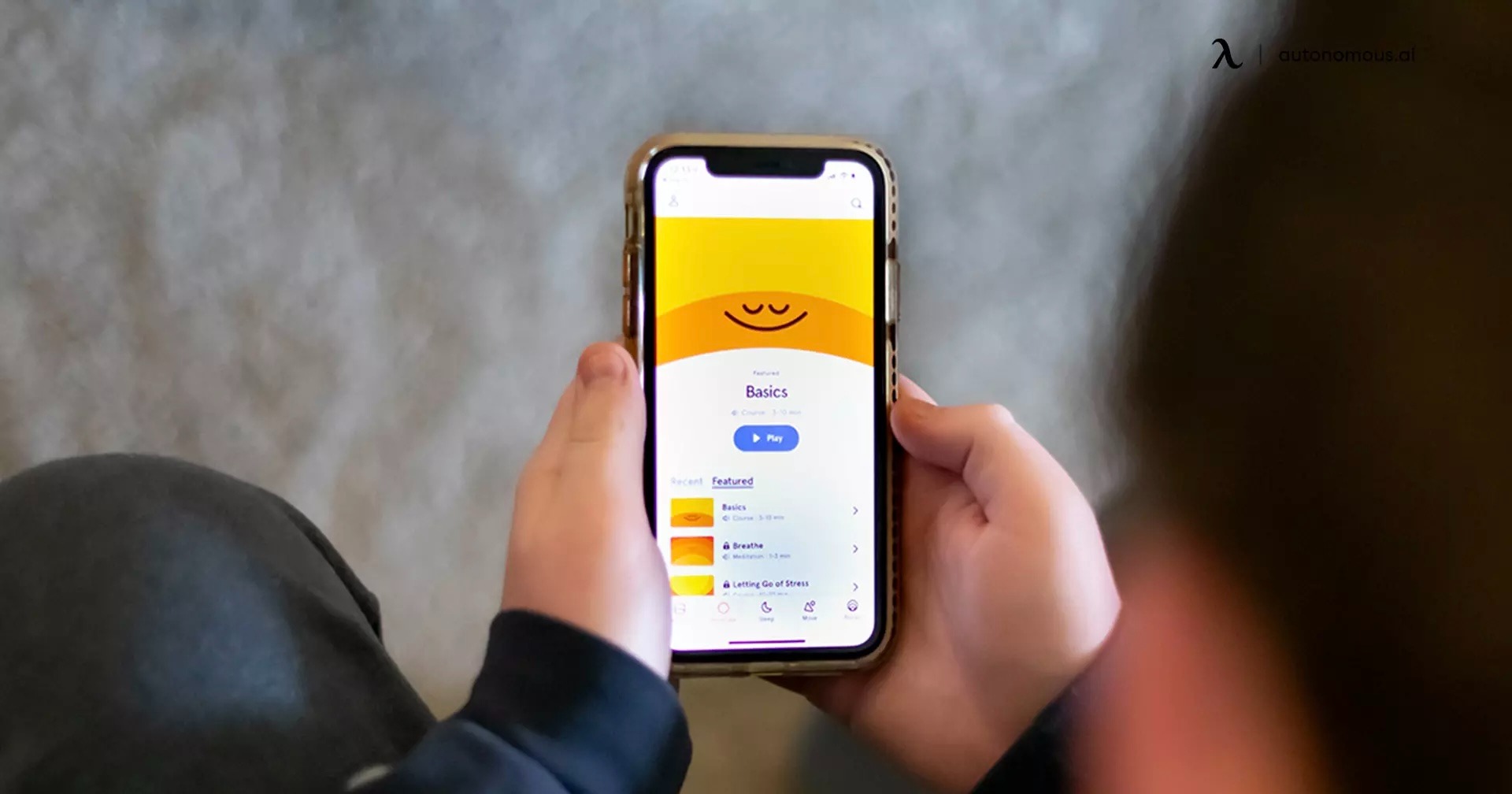
At its heart, Headspace remains a mobile app and web platform delivering guided meditation across core categories: health, productivity, sleep, relationships, and emotional well-being. Notable products and pop-culture crossovers include a custom Star Wars-themed meditation series, the integration of the inclusive mental health app Shine, and a children’s animated project titled The Mindful Adventures of Unicorn Island.
In 2023, the platform rolled out “Finding Your Best Sleep,” a clinical-grade program engineered to measurably improve sleep quality. Stepping into next-gen tech, the company launched Headspace XR in 2024—a virtual reality app built alongside Nexus Studios for Meta Quest headsets, bringing mindfulness into immersive 3D environments.
Headspace also heavily relies on rigorous scientific research to back its claims. Researchers at University College London, supported by the British Heart Foundation, studied the impact of its mindfulness tools on stress levels among corporate employees. Clinical trials show that consistent use of the app effectively improves sleep quality and overall psychological well-being. These studies help position Headspace as a scientifically validated health product rather than just another wellness lifestyle app.
The Business Model and Scaling Challenges
Headspace is a prime example of a successful direct-to-consumer (B2C) subscription model. By creating a new category of short, highly accessible meditations for the mainstream user, the platform drastically expanded the global audience for mindfulness. Its subsequent pivot into the B2B sector with corporate wellness programs effectively diversified revenue streams and locked down market leadership. Today, Headspace serves tens of millions of users globally and stands as a pillar of the global wellness industry.
However, scaling a digital mental health giant comes with hurdles. In July 2023, the company faced public criticism following a wave of corporate layoffs. Several contracted therapists reported sudden appointment cancellations and abrupt contract terminations without prior warning, raising concerns over continuity of care and ethical standards. The incident highlighted the complex operational challenges digital health platforms encounter as they try to balance rapid scaling with high-quality patient care.
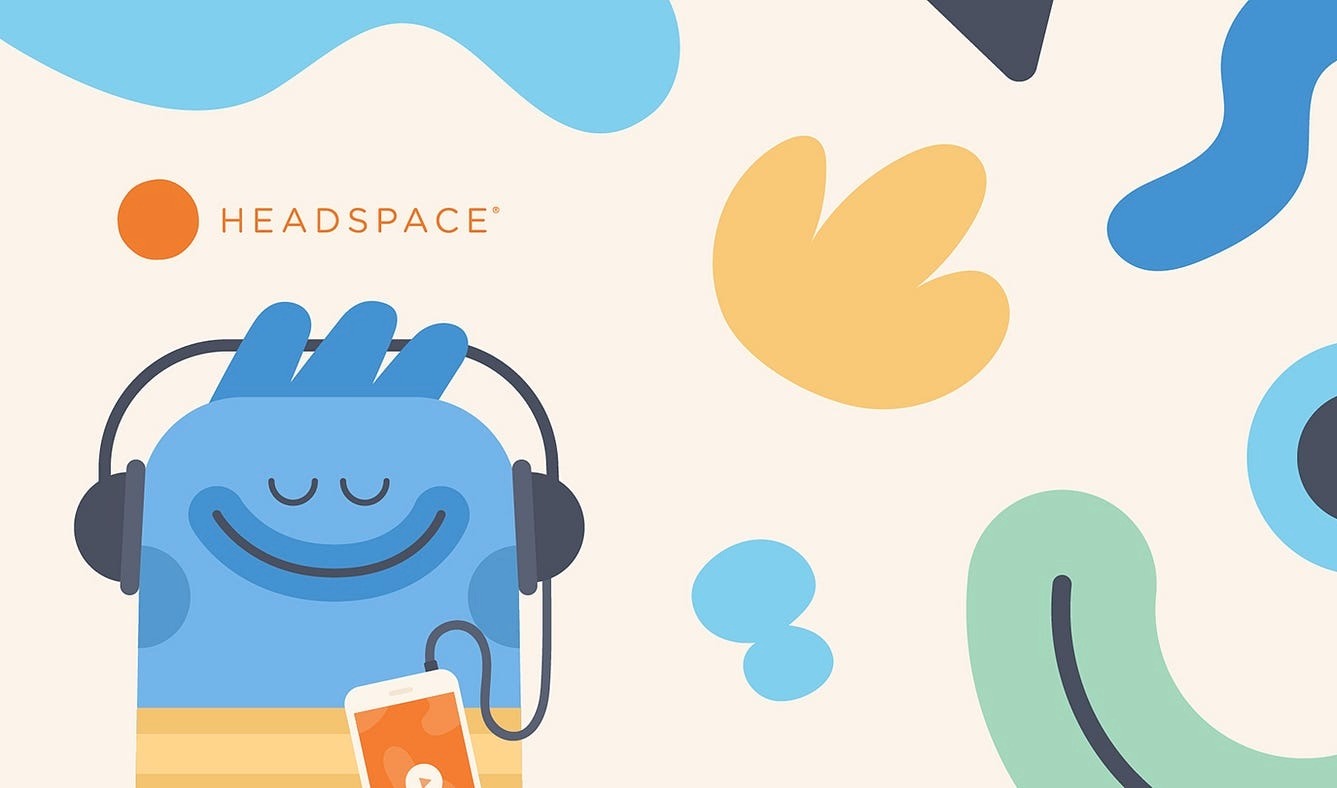
Much of Headspace’s continuous user growth is driven by smart content marketing and high-impact partnerships. The company leverages various channels to normalize mindfulness and onboard new demographics. One of Headspace’s primary competitive advantages is its strict focus on simplicity. The app’s interface is minimal, and its user flow is incredibly intuitive. Product managers systematically cut features that fail to drive long-term user value, even if those features have short-term popularity. This reveals a highly disciplined product strategy: instead of overloading the app with feature creep, Headspace doubles down on quality. This design philosophy is critical for a product explicitly engineered to reduce user anxiety.
Ultimately, Headspace has come a long way from its days as a scrappy startup, evolving into a global health platform that seamlessly unifies technology, science, and media. Its success is anchored in an easy-to-use product, robust scientific validation, and an agile business model. The company didn’t just mainstream meditation—it actively built a new tech sector and made mental well-being accessible to millions around the world.